Line Ethnic Geometric Pattern
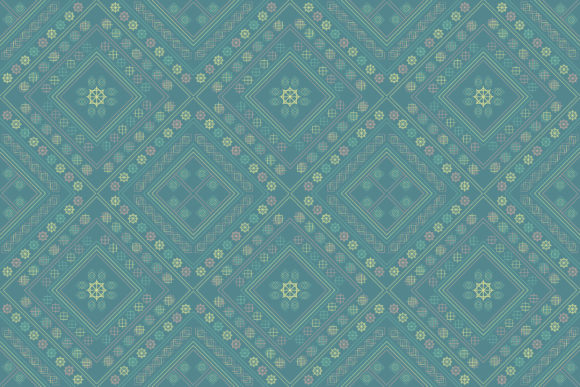
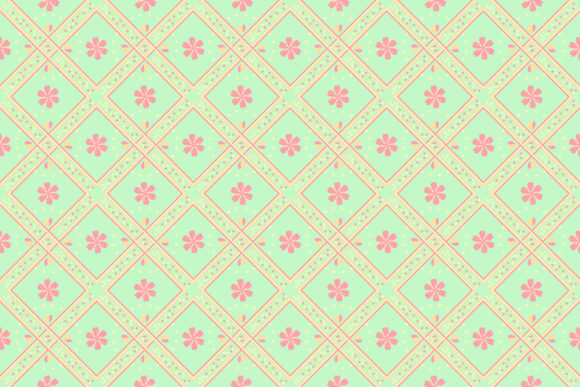
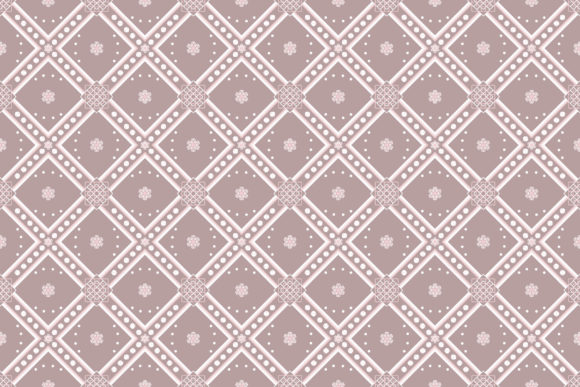
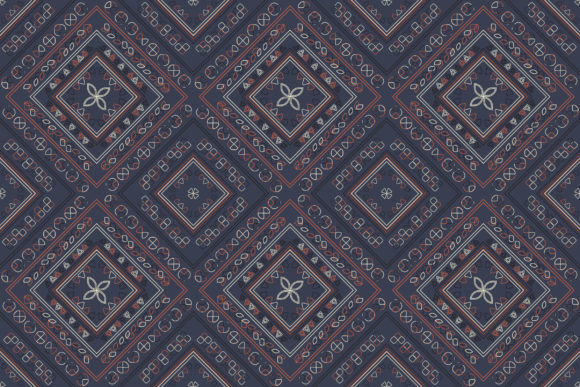
A Line Ethnic Geometric Pattern is a clean, rhythmic design built from interlocking lines, angles, and shapes inspired by traditional African, Indigenous, South Asian, and Afro-Caribbean visual languages — but reimagined with modern minimalism. Unlike busy or color-saturated ethnic motifs, this version uses only black lines on a neutral or white ground, creating strong contrast, visual calm, and cultural resonance without overwhelming complexity.
Why This Pattern Stands Out
Its power lies in simplicity and intention. Each line carries meaning — whether echoing Adinkra symbols, Ndebele wall art, or West African textile geometry — yet remains abstract enough to feel fresh and versatile. The black-on-light palette ensures high legibility across scales and surfaces, while the seamless 1:1 ratio means it repeats flawlessly, tile after tile, with no visible breaks or misalignments.
This isn’t just decoration. It’s structure with soul — a quiet way to honor heritage while supporting contemporary goals like brand authenticity, inclusive design, or mindful creativity.
Real-World Uses You’ll Appreciate
Whether you’re printing fabric for a small-batch clothing line, designing presentation slides for a community workshop, or building a Shopify store for handmade goods, this pattern adapts gracefully:
- Fabric & Textiles: Print it on cotton, linen, or rayon for scarves, tote bags, cushion covers, or apparel. Because it’s seamless and scalable, it works equally well on narrow bias tape or wide-width yardage — no awkward cropping or repeating glitches.
- Digital Design: Drop the JPG into Canva or Figma as a subtle background for social media posts, email headers, or webinar slides. Its monochrome nature keeps focus on your message, not the motif.
- Branding & Packaging: Use the AI or EPS file to integrate the pattern into business cards, labels, or gift wrap — especially effective for wellness brands, ethical fashion labels, or educators focused on global cultures.
- Educational Tools: Teachers and curriculum designers use it as a non-distracting backdrop for printable worksheets, flashcards, or digital lesson modules about symmetry, cultural studies, or visual math concepts.
What’s Inside Your Download
You receive three practical file types — each serving a different need:
- AI file (Adobe Illustrator): Fully editable vector. Adjust line weight, spacing, or even recolor individual elements — ideal if you want to tweak rhythm or adapt the pattern for embroidery digitizing or laser-cut stencils.
- EPS file: Another vector format, widely compatible with older design software and print houses. Safe to send to commercial printers without font or layer issues.
- JPG file (1:1 ratio): High-resolution raster image, ready to drop into blogs, presentations, or mockups. Crisp at standard web sizes and printable up to A3 without pixelation.
All files are pre-tested for true seamlessness — no manual alignment needed. Just place, scale, and repeat.
Beginner-Friendly Tips Before You Start
If you’re new to working with patterns or preparing files for production, here’s what helps most:
- Test scale first: Zoom in on the JPG preview. Does the rhythm feel balanced at your intended size? Tiny geometric details can blur when scaled too small; large repeats may lose impact on narrow items like wristbands. Try printing a 4" square swatch before committing to full yardage.
- Check contrast in context: Black-on-white looks sharp on screen, but under warm lighting or on natural fibers, it may soften slightly. If your end use is physical (e.g., fabric), order a printed sample before bulk production.
- Respect cultural roots: This Line Ethnic Geometric Pattern draws from living traditions. When using it publicly — especially in branding or education — consider adding brief, accurate context (e.g., “Inspired by Ndebele line work” or “Rooted in West African textile geometry”) to honor its origins.
- Watch your software settings: When placing the EPS or AI file in layout tools like InDesign or Affinity Publisher, ensure “high-resolution preview” is enabled so you see crisp edges — not low-res placeholders — during editing.
Where Simplicity Meets Meaning
Many creators search for designs that feel intentional, not generic. They want something that supports their values — sustainability, representation, clarity — without demanding advanced technical skills. That’s where this Line Ethnic Geometric Pattern shines: it’s accessible, respectful, and quietly powerful.
A freelance graphic designer used it as a background for a nonprofit’s annual report on cultural preservation — the clean black lines echoed the precision of oral history transcription, while the ethnic geometry honored the communities featured. A textile student printed it on organic cotton for her thesis collection, then layered hand-stitched motifs over select sections to create depth and dialogue between tradition and innovation.
Even small choices matter. Using this pattern on a notebook cover, a Zoom virtual background, or a teacher’s classroom banner adds cohesion and quiet significance — no explanation needed, but plenty felt.
Final Thought: It’s More Than a Repeat
Patterns shape how we experience space, time, and identity. A well-designed Line Ethnic Geometric Pattern doesn’t just fill background — it invites pause, suggests continuity, and connects across generations. Whether you're launching a product, teaching a class, or simply choosing a fabric for your next sewing project, this design offers both ease and integrity.
No extra plugins. No steep learning curve. Just one thoughtful, seamless, culturally grounded pattern — ready to support your next idea, exactly as it is.