Flower Ethnic Pattern: A Versatile, Spring-Ready Design for Modern Fabric Projects
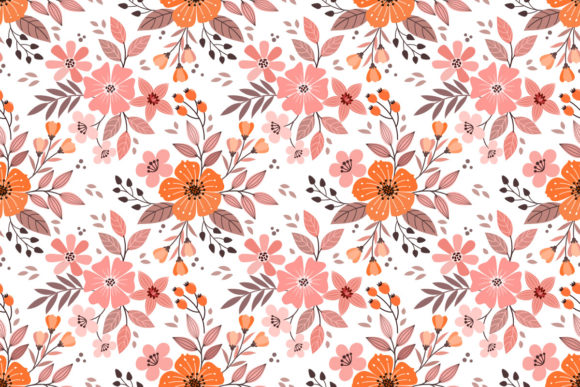
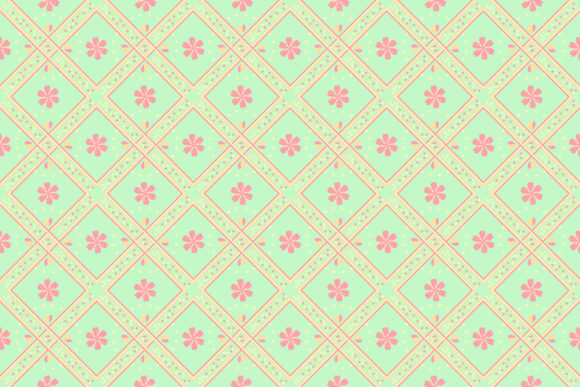
Imagine a fabric that feels both timeless and fresh—where ancient motifs meet contemporary color sensibility. That’s the quiet power of a Flower Ethnic Pattern. Not just decorative, but deeply rooted in cultural storytelling and visual rhythm, this pattern bridges heritage and modernity with surprising ease. When rendered as a geometric seamless flower design on a soft green background—infused with spring pastel tones—it becomes more than surface decoration. It becomes a functional, expressive, and commercially viable textile asset.
What Makes This Flower Ethnic Pattern Stand Out?
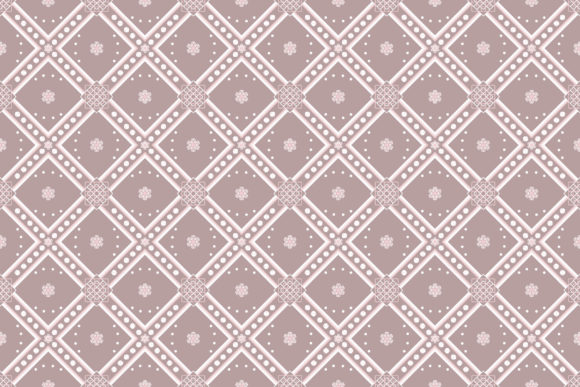
This isn’t a generic floral repeat. It’s a thoughtfully composed Flower Ethnic Pattern built on geometric discipline—think interlocking petals, symmetrical blossoms, and stylized stems arranged with mathematical harmony. The “seamless” quality means it tiles effortlessly across any fabric width, eliminating visible joins or awkward breaks—critical whether you’re printing yardage for apparel or creating digital mockups for client presentations.
The green background isn’t arbitrary. It’s a grounded, natural base—neither too cool nor too warm—that lets the spring pastel accents (think blush pink, sky blue, buttery yellow, and lavender) glow without competing. That balance is intentional: green evokes renewal and stability; pastels whisper gentleness and seasonal lightness. Together, they create a palette that reads as joyful but never cloying—ideal for spring collections, nursery textiles, or wellness-focused lifestyle brands.
Why Seamless Geometry Matters in Real-World Use
In practice, “seamless” isn’t just a buzzword—it’s a workflow necessity. Without it, designers waste hours manually editing repeats, adjusting alignment, or fixing misaligned edges in production files. A true seamless tile eliminates those friction points. And when that tile is also geometrically structured, it offers extra advantages:
- Predictable scaling: Whether enlarged for upholstery or reduced for scarves, the geometry holds clarity—no blurry edges or distorted proportions.
- Easier recoloring: Clean vector paths mean swapping the green base or shifting pastel hues takes seconds—not hours—in Adobe Illustrator or Affinity Designer.
- Cross-medium flexibility: The same underlying structure works beautifully on cotton voile, linen canvas, or even digital backdrops for e-commerce photography.
That’s why this particular Flower Ethnic Pattern includes not one—but three essential file formats: AI (fully editable vector layers), EPS (universal vector compatibility), and high-res JPG (for quick previews, mood boards, or print-on-demand platforms). Each serves a distinct purpose in your creative pipeline.
How the Editable Files Fit Into Your Daily Workflow
Let’s be practical. You’ve got a deadline. A client wants to see three color variations by noon. Or you’re prepping for a small-batch fabric run and need to confirm exact dimensions before sending to the mill. Here’s how each file helps:
- AI file: Your command center. Open it in Illustrator, and you’ll find named layers—background, floral motif, accent elements—each grouped and labeled. Change stroke weights, adjust spacing between blooms, or isolate a single petal to use as a standalone icon. No tracing, no guessing.
- EPS file: The universal translator. Send it to printers who still rely on older RIP software, share it with collaborators using CorelDRAW or InDesign, or embed it into technical packs without worrying about font or effect compatibility.
- JPG file: The fast-check tool. Drop it into Canva for social mockups, load it into Photoshop for texture overlays, or paste it into a spec sheet for internal review—all without opening vector software.
All files maintain a clean 1:1 ratio—square format—which simplifies tiling logic, streamlines CMS uploads, and ensures consistent preview thumbnails across platforms like Spoonflower or Printful.
Where This Flower Ethnic Pattern Truly Shines
This design doesn’t live in isolation. Its strength lies in adaptability across real applications:
Fashion & Apparel: Think lightweight spring dresses with subtle all-over texture, reversible jackets where the lining features the same pattern in inverted tones, or embroidery transfers where the geometric precision guides stitch placement. Because the repeat is tight and balanced, it works equally well on narrow ribbons and wide drapery fabrics.
Home & Lifestyle: Cushion covers gain quiet sophistication when the green base echoes indoor plants and the pastels echo ceramic mugs or hand-thrown vases. Wallpaper designers appreciate how the seamless flow avoids vertical “stripes” of repetition—creating depth instead of monotony.
Branding & Surface Design: Cafés launching a spring menu, boutique studios refreshing their packaging, or indie stationery makers developing greeting card lines—all benefit from a pattern that feels handmade yet professionally refined. The ethnic roots add warmth and authenticity; the geometric rigor adds polish and scalability.
Choosing the Right Flower Ethnic Pattern: What to Watch For
Not all ethnic-inspired florals deliver equal value. Before committing, ask yourself:
- Is the seam truly invisible? Zoom in at 400%—look for pixel fringing, mismatched outlines, or color bleed at tile edges. Our version passes this test cleanly in both vector and raster outputs.
- Are the pastel tones properly calibrated? Some “pastel” palettes skew too saturated or too gray. These are tested for screen accuracy *and* CMYK print fidelity—so what you see digitally translates reliably to fabric.
- Does the green background have enough depth? A flat lime or neon green overwhelms delicate florals. This base is a muted, earthy sage—rich enough to ground the design, light enough to keep it airy.
- Is the geometry intuitive to edit? Look for logical grouping, minimal anchor points, and consistent stroke behavior. Cluttered paths or embedded raster effects make customization frustrating—not freeing.
If you’re sourcing for commercial use, also verify licensing terms. This Flower Ethnic Pattern comes with extended commercial rights—meaning you can use it across unlimited physical products (apparel, home goods, stationery) and digital assets (websites, social ads, presentation decks) without per-unit fees or attribution requirements.
Small Tweaks, Big Impact: Ideas to Make It Uniquely Yours
You don’t need to overhaul the design to make it distinctive. Try these low-effort, high-return adaptations:
- Swap the green for a neutral: Replace the sage background with warm oat or soft charcoal—suddenly it reads more minimalist, less botanical.
- Isolate one pastel: Keep only the blush pink flowers against the green—creates instant tonal contrast and focuses attention.
- Add subtle texture: Overlay a fine linen or watercolor grain in Photoshop (at 5–8% opacity) to soften digital sharpness and enhance tactility.
- Rotate the tile 45°: In your layout software, rotate the entire pattern before applying it to fabric—breaks predictability and adds dynamic movement.
Because the core Flower Ethnic Pattern is built with intention—not just aesthetics—you’re starting from a place of structural integrity. That freedom to experiment is where real creativity takes off.
Final Thought: Pattern as Quiet Confidence
A great Flower Ethnic Pattern does more than fill space. It carries rhythm, suggests seasonality, honors craft traditions, and supports your vision—not competes with it. When it’s geometrically sound, color-balanced, and delivered in truly usable formats, it stops being just “a design” and becomes a reliable part of your toolkit. Whether you're a solo maker launching your first capsule collection or a design director overseeing seasonal textile development, this seamless, spring-ready pattern meets you where you are—and gives you room to grow.