Flower Background Pattern: A Timeless Design Element for Modern Creatives
In today’s visually driven world, the right background can make or break a design. One of the most popular and versatile choices is the Flower Background Pattern. Whether you're a graphic designer, a marketer, or a hobbyist, incorporating floral elements into your work can elevate aesthetics and add depth to your projects. This article explores the relevance of flower background patterns, their evolution, and how they fit into modern creative workflows.
What Is a Flower Background Pattern?
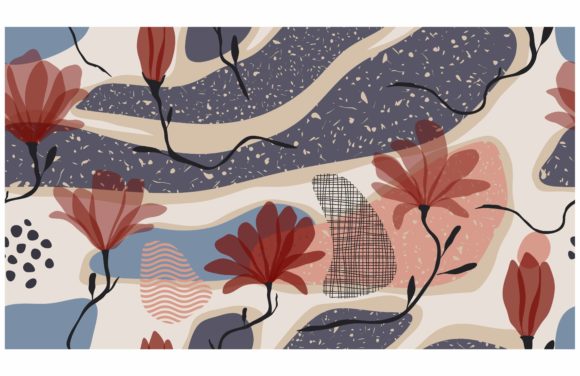
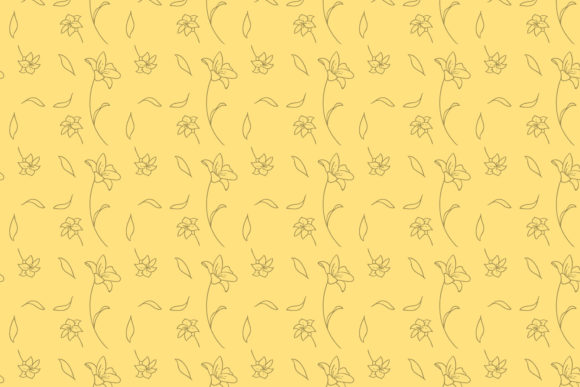
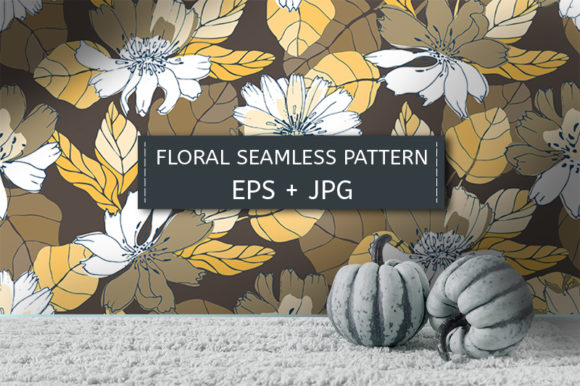
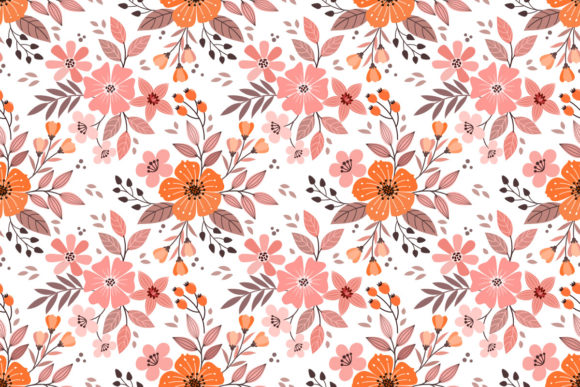
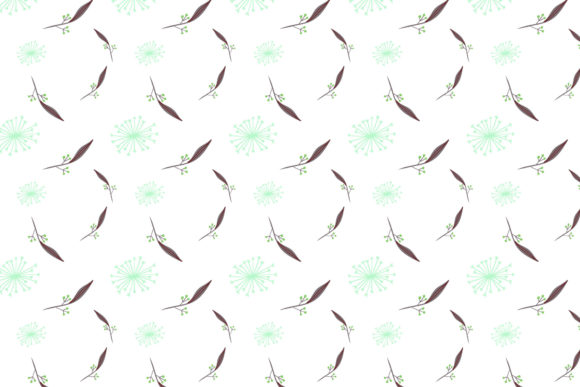
A flower background pattern is a repeated design featuring floral motifs arranged in a cohesive layout. These patterns can range from simple and minimalist to intricate and ornate, depending on the intended use. They are commonly used in web design, print materials, textiles, and digital art. The beauty of these patterns lies in their ability to add a touch of nature, elegance, or whimsy to any project.
Flower background patterns have been around for centuries, with roots in traditional textile arts and botanical illustrations. Today, they’re available in a wide range of styles, from vintage to modern, making them adaptable to various design needs.
Why Flower Background Patterns Matter Today
The resurgence of interest in natural and organic design elements has made flower background patterns more relevant than ever. As people seek to connect with nature in their daily lives, floral designs offer a sense of calm and visual harmony. This trend aligns with broader movements toward sustainability, mindfulness, and aesthetic simplicity.
Moreover, the rise of digital design tools and high-resolution file formats has made it easier to access and customize these patterns. Whether you're working on a website, social media post, or print advertisement, having a well-designed flower background can enhance the overall look and feel of your work.
Trends Shaping the Use of Flower Background Patterns
Several trends are influencing how flower background patterns are used today. One significant shift is the move toward minimalism. While bold, intricate floral designs still have their place, many designers are opting for subtle, clean patterns that don’t overwhelm the viewer. This approach allows the main content to stand out while maintaining a visually appealing backdrop.
Another trend is the integration of floral elements into digital products. With the growing importance of user experience (UX) design, flower background patterns are being used to create immersive and engaging interfaces. For example, mobile apps and websites often use soft, pastel floral backgrounds to evoke a sense of relaxation and positivity.
Additionally, the demand for customizable and scalable design assets has increased. High-quality digital files like AI, EPS, SVG, and PNG allow users to adjust colors, sizes, and details without losing quality. This flexibility makes flower background patterns a valuable resource for professionals who need to adapt their designs quickly.
Practical Applications for Different Industries
The versatility of flower background patterns makes them useful across multiple industries. In marketing, they can be used to create eye-catching banners, email templates, and social media posts. For instance, a floral background might be ideal for promoting a new line of eco-friendly products or a wellness retreat.
For educators and content creators, these patterns can help make learning materials more engaging. A textbook or presentation with a gentle floral background can reduce visual fatigue and keep students focused. Similarly, bloggers and YouTubers might use flower backgrounds to add a personal, artistic touch to their content.
Business owners and entrepreneurs also benefit from using flower background patterns. Whether designing a logo, packaging, or a website, these patterns can help establish a brand’s identity and differentiate it from competitors. A well-chosen floral motif can communicate values such as creativity, growth, and natural beauty.
How to Choose the Right Flower Background Pattern
Selecting the right flower background pattern depends on several factors, including the purpose of the design, the target audience, and the desired mood. For professional settings, a more subdued and elegant pattern may be appropriate. For creative or lifestyle-focused projects, a bolder and more colorful design could work better.
It’s also important to consider the technical aspects of the pattern. High-resolution files ensure that the design looks sharp on all devices, while vector formats like AI and EPS allow for easy editing. If you’re planning to use the pattern in multiple formats, having access to a variety of file types—such as JPG, PNG, and SVG—can save time and effort.
Exploring the Digital Files You Get
When you purchase a flower background pattern, you typically receive a set of digital files designed for different uses. These may include:
- AI File: Ideal for editing in Adobe Illustrator, allowing for precise adjustments and scalability.
- EPS File: A vector format suitable for print and high-quality digital use.
- SVG File: Perfect for web use, as it maintains clarity at any size.
- DXF File: Useful for CNC cutting or other manufacturing processes.
- JPG File: A standard image format for quick sharing and embedding.
- PNG File: Offers transparency support, making it ideal for overlaying on other designs.
Having access to these files ensures that you can use the pattern in a variety of contexts, from digital marketing to physical products.
Maximizing the Value of Your Flower Background Pattern
To get the most out of your flower background pattern, consider how it can be integrated into your workflow. For example, if you’re a graphic designer, you might use the pattern as a base for custom illustrations or as a texture in photo editing. If you’re a small business owner, you could apply the pattern to your branding materials to create a cohesive and professional look.
Experimenting with different color schemes and layouts can also help you discover new ways to use the pattern. Many designers find that adjusting the saturation, contrast, or placement of the flowers can dramatically change the overall effect of the design.
Final Thoughts on Flower Background Patterns
Flower background patterns continue to be a popular choice for designers and creators due to their timeless appeal and adaptability. As trends evolve and technology advances, these patterns remain a reliable and versatile tool for enhancing visual communication. Whether you’re looking to add a touch of nature to your next project or explore new creative possibilities, a well-designed flower background pattern can be an invaluable asset.
By understanding the practical applications and technical aspects of these patterns, you can make informed decisions that align with your goals and preferences. With the right resources and a little creativity, you can bring the beauty of flowers into your designs in a meaningful and impactful way.