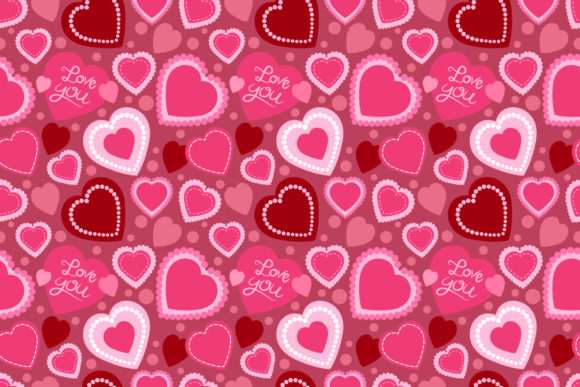
Valentine’s Concept with Heart Shape
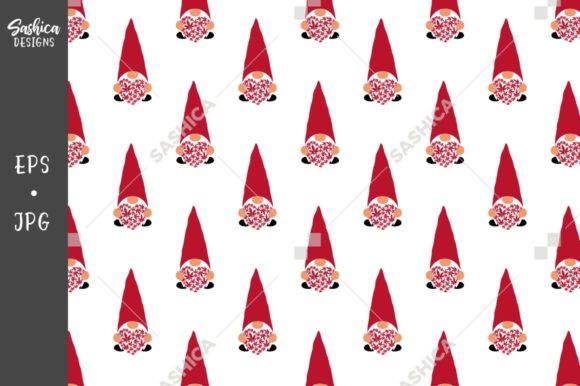
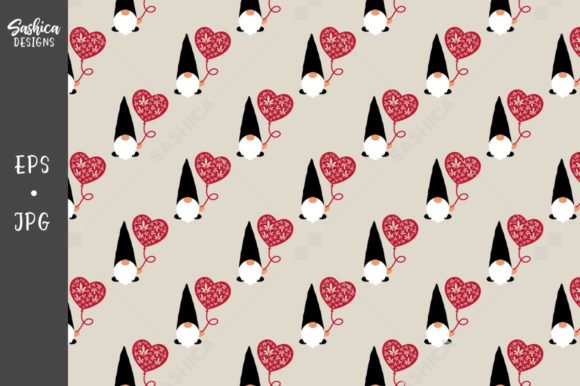
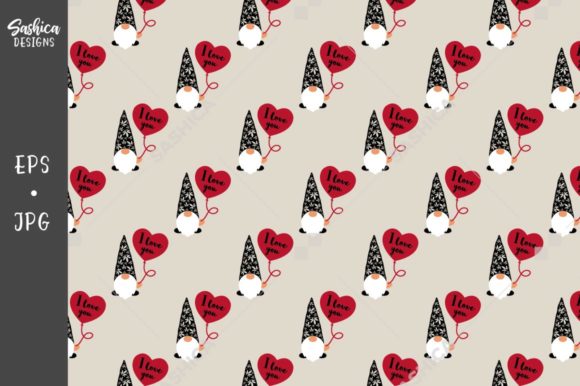
At its heart—pun intended—Valentine’s Concept with Heart Shape is a timeless visual language built around the universal symbol of love: the heart. But it’s more than just a single icon. It’s a thoughtfully composed, repeatable design system where hearts are arranged in rhythm, balance, and harmony to form a seamless pattern. This isn’t clipart or a random collage—it’s crafted for real-world use, from soft cotton fabric to high-resolution digital backdrops.
Why This Pattern Feels So Right
What makes this design resonate across ages and contexts? First, it’s emotionally intuitive. Hearts signal warmth, care, and connection without needing translation. Second, its seamless nature means no awkward edges or visible repeats—just smooth, scalable continuity. Whether you’re printing on 20 yards of silk or setting a Zoom background, the flow stays elegant and consistent.
The pattern balances simplicity and sophistication. Hearts vary subtly in size, orientation, or line weight—not so much that it feels chaotic, but enough to add visual interest and movement. That careful variation helps it avoid looking sterile or overly juvenile, making it equally fitting for a boutique wedding invitation and a modern café’s seasonal menu board.
Where You’ll Use It—And Why It Works
This Valentine’s Concept with Heart Shape pattern shines wherever intention meets material. Here’s how people actually use it:
- Fabrics & textiles: Think scarves, pillow covers, or limited-run apparel. The 5000 × 5000 px JPG ensures crisp detail even when scaled for large-format fabric printing—no pixelation, no guesswork.
- Gift wrapping & stationery: Wrap a birthday present or design a thank-you card—the pattern adds polish without overwhelming the message. Its clean spacing leaves room for text, foil stamping, or hand-written notes.
- Wallpaper & backdrops: Ideal for photo studios, pop-up shops, or cozy home corners. Because it’s seamless, it tiles flawlessly across walls or digital screens—no misaligned seams to distract the eye.
- Digital content: Blog headers, social media banners, email newsletter backgrounds—even presentation slides. The EPS 8 file preserves vector clarity for any size, while the high-res JPG gives instant usability in Canva or PowerPoint.
Small business owners love it for seasonal branding—think coffee shop chalkboard graphics in February or handmade soap labels with romantic flair. Educators use it in classroom Valentine’s Day displays that feel joyful but not childish. Freelancers drop it into client proposals as subtle visual tone-setting. And hobbyists print it on iron-on transfers for custom tote bags or quilt squares—all without needing advanced design skills.
What Makes This Version Stand Out
Not all heart patterns are created equal. This one was designed with practicality in mind—not just aesthetics. The spacing between elements allows for easy cropping, layering, or color customization. It’s built to work in both light and dark modes (try it over charcoal gray or blush pink), and the EPS file opens cleanly in Affinity Designer and Adobe Illustrator—no font substitutions, no missing layers.
You’ll receive a zip file containing two formats: a 5000 × 5000 px JPG at 300 DPI (perfect for print) and an editable EPS 8 vector (ideal for scaling, recoloring, or integrating into larger layouts). No watermarks. No usage limits. Just ready-to-use creative fuel.
Things to Keep in Mind Before You Begin
While versatile, this pattern works best when matched to your intent—and your audience. A playful, bouncy heart layout might charm kids’ party supplies, but a refined, minimalist version like this one suits brands aiming for sincerity over sweetness. Ask yourself: Is the mood I want to convey tender, elegant, nostalgic, or quietly confident?
Also consider scale. On small items like coasters or stickers, zoom in to highlight individual heart details. For large surfaces like walls or banners, step back and test how the rhythm reads from a distance. And if you plan to recolor it, remember that subtle gradients or duotones often enhance depth better than flat fills—especially in print.
Lastly, think about contrast and legibility. If you’re adding text over the pattern (like a quote or logo), use a semi-transparent overlay or choose a spot with slightly more breathing room between hearts. The design includes natural “quiet zones”—you just need to notice them.
Simple Ways to Start Creating Today
You don’t need years of experience—or even professional software—to begin. Here’s how beginners get meaningful results fast:
- Drag and drop: Open the JPG in Canva or Google Slides and use it as a background for a social post or printable card.
- Swap colors: In Photoshop or Affinity Photo, use Hue/Saturation or Recolor tools to shift the palette—try deep burgundy for luxury, sage green for earthy romance, or navy for unexpected elegance.
- Layer it: Place the EPS over a photo in Illustrator, set blending mode to Multiply or Overlay, and watch texture emerge naturally.
- Crop creatively: Zoom in and extract a single cluster of hearts to use as a standalone motif—great for logos, icons, or embroidery templates.
Even if you’ve never opened design software before, the files are structured to lower barriers—not raise them. The heart shape itself is familiar. The pattern structure is predictable. And the delivery format means you’re never stuck waiting for the right tool or resolution.
A Pattern That Grows With Your Ideas
What starts as a background can become a brand signature. What begins as gift wrap might evolve into a full product line—matching napkins, mugs, and aprons. That’s the quiet power of a well-designed Valentine’s Concept with Heart Shape: it supports growth, not just one-off projects.
It’s not about forcing love into every corner of your work. It’s about having a trusted, beautiful, functional tool—one that communicates care, attention, and authenticity, whether you’re designing for a client, teaching a class, launching a side hustle, or simply wrapping a gift with extra thought.
Because at its core, this pattern honors something simple but essential: that meaning matters most—and great design helps it show up, clearly and kindly, in everything we make.