Exploring the Versatility of Leaf Pattern Designs
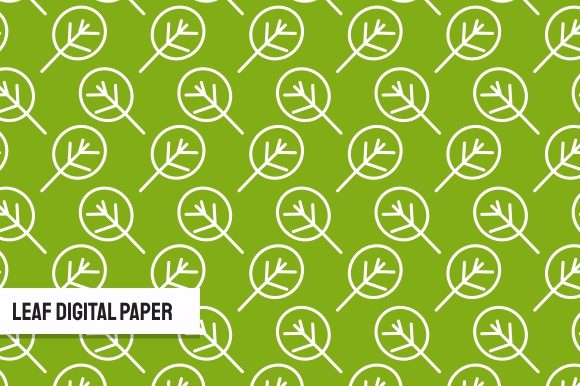
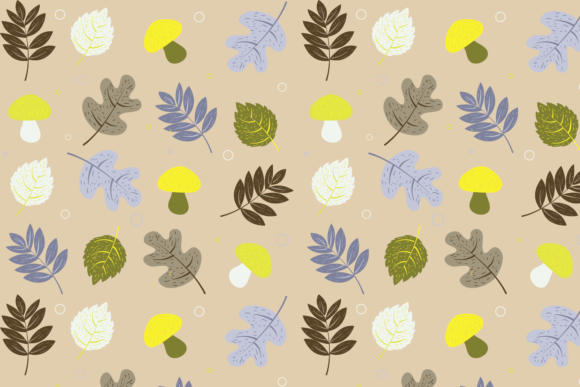
The Leaf Pattern has become a popular choice for designers and creators across various industries due to its natural aesthetic and adaptability. Whether you're working on digital art, graphic design, or product development, understanding the characteristics and applications of this pattern can enhance your creative process. With multiple file formats available, including AI, EPS, SVG, DXF, JPG, and PNG, the Leaf Pattern offers flexibility that caters to different needs and workflows.
One of the key advantages of the Leaf Pattern is its ability to blend seamlessly into both modern and traditional designs. Its organic shape and flowing lines make it ideal for backgrounds, textures, and decorative elements. This versatility ensures that the pattern can be used in a wide range of projects, from branding materials to website graphics and even physical products like textiles and packaging.
Understanding the File Formats
Each file format of the Leaf Pattern comes with its own set of benefits and use cases. For instance, AI (Adobe Illustrator) files are perfect for vector-based editing, allowing users to scale the design without losing quality. EPS (Encapsulated PostScript) files are also vector-based and widely supported by design software, making them a reliable choice for professional use. SVG (Scalable Vector Graphics) files offer similar advantages but are especially useful for web-based applications due to their compatibility with browsers and responsive design capabilities.
DXF (Drawing Exchange Format) files are commonly used in CAD (Computer-Aided Design) software, making them ideal for architectural or engineering projects that require precise measurements and scalability. JPG and PNG files, on the other hand, are raster-based and suitable for digital illustrations, social media posts, and web banners. These formats provide high-quality images that can be easily integrated into various platforms without the need for specialized software.
Practical Applications of Leaf Pattern
The Leaf Pattern finds its way into numerous creative fields, each leveraging its unique properties. In graphic design, it's often used as a background element to add depth and visual interest to posters, flyers, and magazine layouts. Its subtle texture can enhance the overall look of a design without overpowering the main content.
In the realm of web design, the Leaf Pattern can be applied as a subtle background or overlay, creating a natural and calming atmosphere. When used in conjunction with other design elements, it can help guide the viewer’s eye and create a more engaging user experience. Additionally, the pattern's scalability ensures that it remains crisp and clear at any size, making it an excellent choice for responsive websites.
For product designers, the Leaf Pattern can be incorporated into fabric patterns, wallpaper designs, and even furniture upholstery. Its organic feel complements both contemporary and rustic styles, offering a timeless appeal that can be adapted to different aesthetics. By using the pattern in these contexts, designers can create cohesive and visually appealing products that resonate with a broad audience.
Benefits of Using Leaf Pattern
One of the primary benefits of the Leaf Pattern is its ease of use. The design is structured in a way that allows for quick customization and integration into existing projects. Whether you're a seasoned designer or a beginner, the pattern's simplicity makes it accessible and intuitive to work with.
Another advantage is the ability to edit the design as needed. With vector-based formats like AI, EPS, and SVG, users can modify individual elements of the pattern without affecting the overall integrity of the design. This level of flexibility is particularly valuable for those who want to tailor the pattern to specific requirements or incorporate it into larger compositions.
Additionally, the Leaf Pattern's availability in multiple formats ensures that it can be used across different platforms and software. This cross-platform compatibility reduces the need for additional conversions or adjustments, saving time and effort during the design process. It also allows for greater collaboration between designers, developers, and clients, as the pattern can be shared and edited seamlessly.
Considerations for Choosing the Right Format
When selecting the appropriate file format for the Leaf Pattern, it's important to consider the intended use and the tools you'll be working with. For example, if you're designing for print, EPS or AI files may be the best option due to their high resolution and scalability. If you're working on a digital project, SVG or PNG files could be more suitable, depending on whether you need transparency or interactivity.
It's also worth noting that some file formats may have limitations in terms of color depth or file size. For instance, JPG files are compressed and may not retain the same level of detail as PNG files, which support transparency. Understanding these differences can help you choose the right format that aligns with your project's goals and technical requirements.
Finally, always ensure that the file you're using is properly optimized for its intended purpose. This includes checking for any potential issues such as incorrect dimensions, missing layers, or incompatible settings. By taking these steps, you can maximize the effectiveness of the Leaf Pattern in your designs and avoid unnecessary complications down the line.
Enhancing Creativity with Leaf Pattern
The Leaf Pattern serves as a powerful tool for sparking creativity and adding a touch of nature to digital and physical spaces. Its clean lines and organic form provide a sense of balance and harmony, making it an excellent choice for designers looking to evoke a sense of calm and connection with the natural world.
By experimenting with different color schemes, layering techniques, and placement strategies, designers can push the boundaries of what the Leaf Pattern can achieve. Whether used as a standalone element or combined with other patterns and textures, it offers endless possibilities for innovation and expression.
Moreover, the Leaf Pattern's adaptability means that it can be reinterpreted in countless ways to suit different themes and moods. From minimalist and modern to vibrant and eclectic, the pattern can be tailored to reflect the unique vision of each project. This flexibility not only enhances the creative process but also ensures that the final result is both functional and aesthetically pleasing.