Pettren Caterpillar Art: A Versatile Vector Pattern for Modern Creative Workflows
There’s a quiet shift happening across creative industries—away from generic, mass-produced motifs and toward intentional, adaptable design assets. At the center of this movement is Pettren Caterpillar Art: a stylized, organic pattern rooted in natural form but engineered for real-world application. It’s not just another nature-inspired graphic. It’s a scalable, production-ready vector resource designed to move seamlessly between physical and digital contexts—from hand-applied henna to precision-cut vinyl decals, from wedding stationery to artisanal knitwear.
What Makes Pettren Caterpillar Art Distinct—and Why It Matters Now
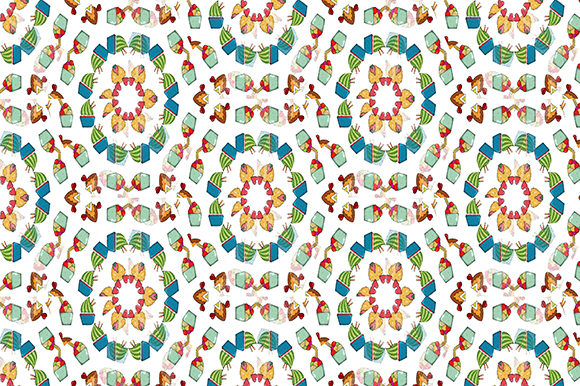
Unlike static illustrations or decorative borders, Pettren Caterpillar Art functions as a repeatable, modular pattern. Its rhythmic curves, balanced negative space, and subtle biomorphic rhythm support visual harmony without overwhelming. The design avoids cliché interpretations of caterpillars—no cartoonish eyes or exaggerated segments—instead favoring clean linework, gentle undulation, and proportional consistency that reads well at any scale.
This distinction matters because today’s creators operate across multiple platforms and output formats. A freelance surface pattern designer may need to adapt one motif for fabric printing, embroidery digitizing, and laser-cut acrylic signage—all within the same client project. Pettren Caterpillar Art meets that demand: its vector foundation (delivered in AI format) ensures crisp reproduction at any size, while the included high-resolution JPEG supports quick mockups, social previews, or web use without requiring specialized software.
Fitting Into Evolving Creative Habits and Business Realities
Creative professionals increasingly prioritize asset efficiency. Time spent converting raster files, redrawing motifs for different substrates, or troubleshooting resolution issues eats into margins—especially for small studios, solo entrepreneurs, and educators building classroom resources. Pettren Caterpillar Art eliminates several of those friction points by delivering dual-format files with built-in versatility.
Consider a small-batch textile brand launching a spring collection. They source Pettren Caterpillar Art to develop a custom tablecloth print, then repurpose the same AI file to generate a coordinating napkin embroidery layout and a die-cut stencil for hand-painted ceramic mugs. No redraws. No scaling artifacts. Just consistent, professional-grade output—across materials, techniques, and timelines.
This aligns with broader shifts: the rise of hybrid making (digital + analog), growing demand for tactile, nature-infused aesthetics in home and event design, and increased emphasis on sustainable production (reusing one well-designed asset reduces redundant labor and material waste).
Practical Applications Across Contexts
The flexibility of Pettren Caterpillar Art isn’t theoretical—it’s demonstrated in how users apply it across domains:
- Wedding supplies: Used as a delicate border on invitations, foil-stamped onto linen napkins, or laser-cut as a backdrop panel for dessert tables.
- Henna painting: Translated into stencils for temporary body art—its flowing lines translate naturally to skin, supporting both intricate detail and bold silhouettes.
- Knit and crochet patterns: Adapted as charted motifs for intarsia or lacework, where its repeating structure simplifies stitch mapping and color transitions.
- Home décor: Printed on cotton-linen blends for curtains or tea towels, or scaled down for wallpaper sampling and shelf liner designs.
- Educational tools: Integrated into lesson plans for biology units (as stylized insect anatomy references) or design classes exploring pattern repetition and symmetry.
Each use case relies on the same foundational qualities: clarity in line definition, predictable spacing, and absence of fine detail that would collapse during cutting or printing. That intentionality is what separates functional pattern design from purely ornamental illustration.
Technology Meets Tradition—Without Compromise
Vector-based assets like Pettren Caterpillar Art thrive in an era where tools are more accessible—but expectations for quality haven’t softened. Whether someone uses Adobe Illustrator, Affinity Designer, Cricut Design Space, or Silhouette Studio, the AI file imports cleanly, retains editable paths, and allows for easy recoloring, resizing, or tiling adjustments. That interoperability means designers don’t need to master five different workflows to get one idea into production.
At the same time, the inclusion of a high-fidelity JPEG removes barriers for non-designers: a florist designing her own wedding signage can drop the image directly into Canva; a teacher preparing a classroom bulletin board can print it at full size without installing new software; a craft blogger can embed it in a tutorial without worrying about compatibility.
This dual-format approach reflects how modern creative work happens—not in silos, but across roles, skill levels, and tools. It assumes competence without assuming expertise.
Realistic Considerations for Users
While Pettren Caterpillar Art offers broad utility, its value increases with thoughtful implementation. For example:
- Color adaptation matters. The pattern’s strength lies in its line integrity—not photorealism—so consider contrast when applying to dark or textured surfaces. Test prints on your intended substrate before large runs.
- Scale affects perception. At very small sizes (e.g., 0.5 cm repeat), some subtlety may be lost in embroidery or engraving. Review at actual output size during prep.
- Licensing is straightforward—but verify use cases. Standard licenses cover most commercial applications, including resale of physical goods (like printed tablecloths), but always confirm terms if using in SaaS products or app interfaces.
These aren’t limitations—they’re reminders that even versatile assets benefit from context-aware decisions. Pettren Caterpillar Art doesn’t replace judgment; it empowers it with reliable, well-structured input.
Why This Pattern Resonates Beyond Aesthetics
There’s growing cultural resonance around motifs that feel grounded, unhurried, and gently alive—caterpillars, in particular, carry quiet symbolism: transformation, patience, incremental progress. Pettren Caterpillar Art leans into that without literalism. Its rhythm invites pause. Its repetition feels meditative, not mechanical. That emotional texture makes it especially effective in wellness branding, mindfulness-focused products, or hospitality spaces aiming for calm sophistication.
It also fits naturally within current preferences for “quiet luxury” in design—favoring restraint over ornamentation, craftsmanship over flash, and longevity over trend-chasing. A tablecloth printed with Pettren Caterpillar Art won’t date quickly because it avoids faddish styling. It works as well in 2024 as it will in 2030—not due to timelessness alone, but because its construction anticipates how people actually use pattern: iteratively, practically, and personally.
Getting Started Thoughtfully
If you're evaluating whether Pettren Caterpillar Art fits your needs, start small. Try it in one low-risk, high-visibility application first—perhaps as a border on a digital greeting card or a test cut on scrap vinyl. Notice how the lines hold up, how easily it tiles, how intuitively it adapts to your color palette or material. Then expand outward: explore how the same motif behaves in embroidery software, under dye-sublimation heat press, or layered beneath transparent overlays.
You’ll likely find that its greatest utility isn’t in what it *is*, but in how reliably it *works*—across disciplines, deadlines, and delivery methods. In a landscape crowded with disposable graphics, Pettren Caterpillar Art stands out not for novelty, but for quiet, consistent performance.